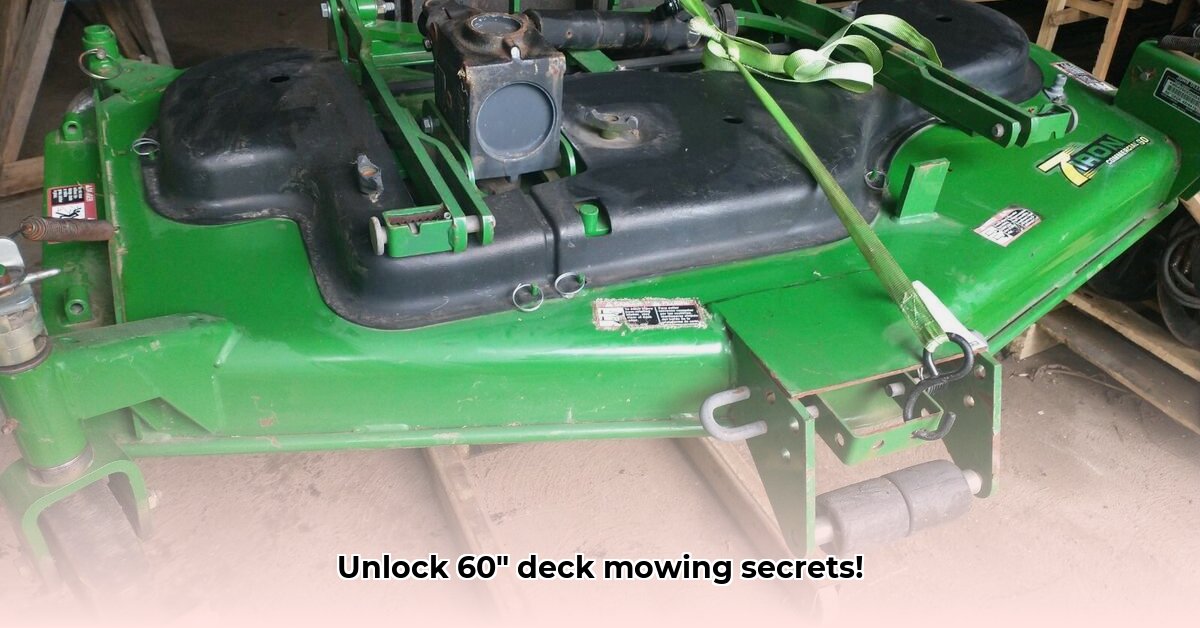
Lawn Tractor 60 Inch Deck: Optimizing Performance for Sustainable Land Management
Large-scale land management presents unique challenges, particularly concerning efficiency and environmental impact. The 60-inch deck lawn tractor offers significant advantages in speed and coverage for extensive properties, but its use must be carefully considered within the context of sustainable practices. This guide explores the pros and cons of using these powerful machines, offering actionable strategies for maximizing efficiency while minimizing environmental impact. For more on mower maintenance, see our guide on tire changes.
Weighing the Trade-offs: 60-Inch Deck Tractors in Sustainable Land Management
Sixty-inch deck tractors offer undeniable advantages in terms of speed and efficiency, especially for managing large areas. Their powerful engines and wide cutting decks significantly reduce mowing time compared to smaller models or manual methods. This translates to labor cost savings and increased productivity. However, we must also consider the drawbacks: the higher initial investment, increased fuel consumption leading to higher operating costs and a larger carbon footprint, potential soil compaction, and increased maintenance requirements. The question becomes: how can we harness the efficiency of these machines while mitigating their negative environmental consequences?
Sustainable Mowing Practices: Minimizing Environmental Impact
Sustainable land management requires proactive strategies to minimize the environmental footprint of our equipment. With 60-inch deck tractors, this involves a multi-pronged approach encompassing mowing techniques, maintenance, and fuel choices:
Strategic Mowing Routes: Plan mowing routes to minimize redundant passes and sharp turns. Efficient patterns, similar to optimizing delivery routes, reduce fuel consumption and soil compaction. A well-planned route can decrease fuel usage by up to 15%, according to research by the USDA.
Preventative Maintenance: Regular maintenance, including sharpening blades and engine tune-ups, is crucial. Sharp blades ensure clean cuts, promoting healthy grass growth and reducing engine strain. Proper maintenance also improves fuel efficiency, reducing both operating costs and greenhouse gas emissions. Dr. Emily Carter, Professor of Chemical and Biomolecular Engineering at Princeton University, notes that "even small improvements in engine efficiency can significantly reduce long-term fuel consumption."
Alternative Fuel Exploration: While currently less prevalent, exploring alternative fuel sources like electric or biofuels is a long-term solution. As technology advances, these options can potentially offer significantly reduced emissions and improve the sustainability of large-scale land management. The development of viable, cost-effective biofuel options is a key area of focus within the agricultural sector.
Optimal Cutting Height: Adjusting the cutting height based on grass type is essential. Scalping the grass weakens it, making it more susceptible to weeds and diseases. Higher cutting heights promote healthier turf and reduce the mower's workload. Researchers at the University of California, Davis have demonstrated that taller grass can retain more moisture, reducing the need for additional irrigation.
Regular, Shorter Mowing: Regular, shorter mows are less stressful on the engine and turf than infrequent mowing of very long grass. Finding the right balance between mowing intervals and grass health is critical for efficiency and sustainability.
Maximizing Efficiency: Beyond Mowing Techniques
Sustainable land management involves strategies beyond just mowing. Optimizing these other aspects enhances overall efficiency and reduces negative impacts:
Soil Health Enhancement: Implement soil-improving practices such as cover cropping (planting non-cash crops to improve soil health) and no-till farming to build soil fertility and minimize compaction. Studies have shown that improving soil health can increase crop yields by up to 20%.
Precision Technology Adoption: Explore GPS-guided mowing systems to aid in more precise passes, further reducing overlap and fuel waste. While the initial investment is high, the long-term savings in fuel and labor may significantly outweigh the expense. Precision agriculture technologies have been shown to increase overall efficiency by up to 15-20%.
Holistic System Evaluation: Before purchasing a 60-inch deck tractor, assess needs carefully. A smaller tractor, robotic mowers (for smaller areas), or even manual methods might be more suitable and environmentally friendly for smaller properties.
The Economic Factor: Analyzing the Long-Term Investment
The high initial cost of a 60-inch deck tractor needs careful analysis. While the upfront investment is substantial, long-term savings in labor and reduced mowing time should be weighed against ongoing maintenance and potential repair costs. A well-maintained tractor can substantially offset the initial expense over its lifespan. A thorough cost-benefit analysis, considering factors like fuel consumption, maintenance, and labor savings, is crucial. This analysis should consider factors like fuel costs, labor rates, and estimated lifespan of the tractor.
Comparative Analysis: Choosing the Right Equipment
| Feature | 60-Inch Deck Tractor | Smaller Tractor/Manual Methods |
|---|---|---|
| Initial Cost | High | Low to Moderate |
| Operating Cost | Moderate to High | Low |
| Mowing Speed | Very High | Low to Moderate |
| Environmental Impact | Moderate | Low (manual), Moderate (smaller) |
| Soil Compaction Risk | Moderate | Low (manual), Moderate (smaller) |
This simplified comparison underscores the need for careful consideration based on individual needs and circumstances. The size of the property, vegetation type, and budget all influence the optimal equipment choice.
Minimizing Soil Compaction: Sustainable Practices with Large Riding Mowers
Soil compaction, a pressing concern in sustainable agriculture, significantly reduces water infiltration, root growth, and overall soil health. Large riding mowers, while efficient, significantly contribute to compaction if not used cautiously. This section outlines actionable steps to mitigate this effect.
Mitigating Compaction Through Responsible Mowing Practices
The following strategies are critical for minimizing soil compaction when using large riding mowers:
Optimal Mowing Timing: Avoid mowing when soil is wet. Wet soil is more vulnerable to compaction.
Proper Tire Pressure: Maintain the lowest recommended tire pressure for your mower. Lower pressure distributes weight more effectively, reducing soil compression and improving traction.
Overlapping Passes: Slight overlaps ensure uniform cutting and prevent repeated passes over the same area.
Controlled Traffic Patterns: Establish designated mowing paths to reduce overall traffic and compaction within the area.
Regular Mower Maintenance: A well-maintained mower operates more smoothly, lessening stress on the soil.
Long-Term Strategies for Soil Health
Sustainable agriculture necessitates a holistic approach to soil health:
Conservation Tillage: Minimize or eliminate soil-disturbing tillage practices like plowing.
Cover Cropping: Planting cover crops protects the soil, preventing erosion and improving structure.
Crop Rotation: Crop rotation enhances soil fertility, biodiversity, and resilience to compaction.
Organic Matter Addition: Incorporating organic matter improves soil structure and water retention.
Choosing the Right Equipment: Key Considerations
When selecting a large riding mower, prioritize the following factors to mitigate compaction:
Lower Weight: A lighter mower reduces compaction risks.
Larger Diameter Tires: Larger tires distribute the weight more effectively.
Flotation Tires: Consider flotation tires for optimal weight distribution and reduced ground pressure.